
Basic Digital Marketing

Choosing keywords, developing the visual content, structuring the location of your CTAs, and sharing your landing page is all a part of ensuring your marketing sales funnel leads straight to a conversion.
Among your most important elements in closing a customer is the landing page. This is an opportunity to speak directly to your audience. A landing page is where a prospective customer lands when they click on an ad. After you’ve got the customer on-site though, you can still lose them. There are terrible landing pages and amazing landing pages. Here are 5 tips on what you can do to maximize your conversions and turn a motivated buyer into a customer.
Your headline.
The first thing anyone reads on a landing page is the headline. A landing page headline should communicate clearly value, identifying what your offer is and how it provides value. You don’t want to make it too long or complex. It shouldn’t be more than a line or two. Remove unnecessary words. Remember, headlines are all about purpose and value, and should be communicable within three seconds or less.

The value of email marketing campaigns is all in the results. No matter your objective with your emails, if you’re not getting the results you want from it, you’ve got to figure a solution. Search engines and social media platforms cannot generate the same engagement as emails can. They’re very important to long-term digital strategizing. Here are a few suggestions on strategies that will provide you with high-value subscribers and a strong CTR across your email campaign.
Obvious call-to-actions.
If CTAs are not easily spotted, customers are not going to know what to do with your email. Therefore, keep it clear, succinct, and transparent. Guide them through the process to click and convert, and arrange your text, images, and links as appropriate.
Digital marketing can be all trial and error. It’s your analytics which will guide you. If you don’t know where to pay attention to and to what, it can be tough knowing how to move forward. Measuring ROI can involve many elements but if you’re looking at a starting point, here’s some areas you can look.
Knowing ‘why’.
The objective of your marketing campaign may be different from the next one. Knowing why and what you’re trying to achieve can help determine where you want to focus. It’s important all objectives are measurable.

Augmented reality is giving small business owners, entrepreneurs, and corporations the opportunity to add value, solve problems in their supply chain or sales funnel, and enhance the user experience.
AR adds computer-generated imagery into a real-world environment, allowing users to interact with the digital realm. In shopping, entertainment, and work, augmented reality is making a difference.
Tourism.
Travel brands are using augmented reality to provide visitors information about their destination and related sites to see. AR apps are already being employed at international resorts to help guests navigate through the various amenities and local regions.
Construction.

eCommerce merchants invest a lot of time into generating traffic but they oftentimes focus on paid over organic. Even so, SEO eCommerce strategies are going to be key to grabbing customers from sites like Amazon and others.
Especially if you have products consumers can’t find anywhere else, you’re going to want to heighten the quality of your content, improve site architecture, and do whatever you can to increase search visibility. Here are 6 simple SEO eCommerce strategies to help you accomplish just that.
Optimize for fast load time.

Snapchat, as a social media platform, might seem like a hub of millennials talking and sharing pictures, texts, and video. Snapchat has not caught on as much as other platforms have. That said, it still serves an important purpose in branding and business.
Snapchat has accumulated more than 190 million daily active users and has been around for more than a few years now. Originally, Snapchat made its name off allowing people to send messages which self-destruct, delete, and disappear after a few seconds. Today, it’s a hub of communications and maintains a huge audience among females between 13 and 34 years of age.

Are you struggling to generate blog traffic – you’re not the only one. It’s estimated that as many as 70 percent of blogs struggle with attracting an audience. Sometimes, there are outside influences keeping people from your blog like an issue with your digital marketing. At other times though, it might be just because nobody wants to read it. That’s tough to hear but if you’re only getting a handful of views, it might be time to consider you need to switch things up. If nobody wants to read your blog, here’s perhaps why.
You’re posting irregularly.
Nobody wants to read a blog if they don’t know when to click on it to see new posts. Blogs and content marketing are all about strategy. That involves posting on a regular schedule. Even if creativity has ebbs and flows, you need to post regularly. Whether it’s once a week, bi-weekly, monthly or whenever, you need to get this down.

eCommerce conversion is a priority for any online shopping site, no matter the product. ‘Selling’ is the name of the game. When you increase your conversion rate, you improve your revenues and profits. Even small changes in how you optimize a website can produce sizeable results in revenues. If your goal is to sell more, read on.
Home page optimization.
Your home page is your home base. Most eCommerce pages waste this real estate. Nevertheless, here’s where you want to add your top-selling products, trendiest products, special offers, and timely messaging to get people clicking. Identify a path you want users to follow and use a CTA to get them there.

Nostalgic marketing from the 1950s and 1960s are sometimes troublesome to examine. The messaging is oftentimes incredibly dated, sometimes offensive, and not always application to contemporary audiences. That said, there are some ways nostalgic ads are still used in digital marketing today and rather effectively!
An artful style.
Ads beginning in the early 1940s applied contemporary art trends, creating a visual style that was extremely successful at selling a wide variety of products. Similar and also, distinct from what has been used in the past, different geometric and symmetrical forms still work to this day although now we have typefaces, new shapes, and new designs to work from. A lot of contemporary advertisements playing off nostalgia such as Banana Republic’s 1960s-Esque Mad Men-inspired campaign utilized various artistic shapes and emphasis.

You don’t need to spend a fortune to generate big SEO results in the landscape of digital marketing. Although there’s a cost, what you receive in ROI if you plan it strategically can easily justify the investment.
Combining different digital strategies, there’s a lot of positive results to be had with SEO. For example, we know SEO conversion rates are roughly 10 percent higher than social media marketing and they rise by 15 percent on mobile devices.
If you’re looking for a list of SEO growth hacks, we’d like to share some that we’ve used to make the most from search engine marketing budgets. Using these, your conversions will cost less and you’ll run a smarter digital marketing campaign overall.

Interactive marketing is a form of digital marketing which prioritizes interaction to connect customers to the brand. It has proven to be highly effective with engagement levels and creating brand awareness. Using it correctly, you’ll hang onto their attention for longer, create more excitement, and a customer will be more likely to remember your brand afterwards. A key feature of interactive marketing is it gives users control over their experience, which evidently helps to customize and memorize the brand interaction. Here are some popular interaction-based marketing strategies used to give brands an advantage in 2019.
Augmented reality (AR).
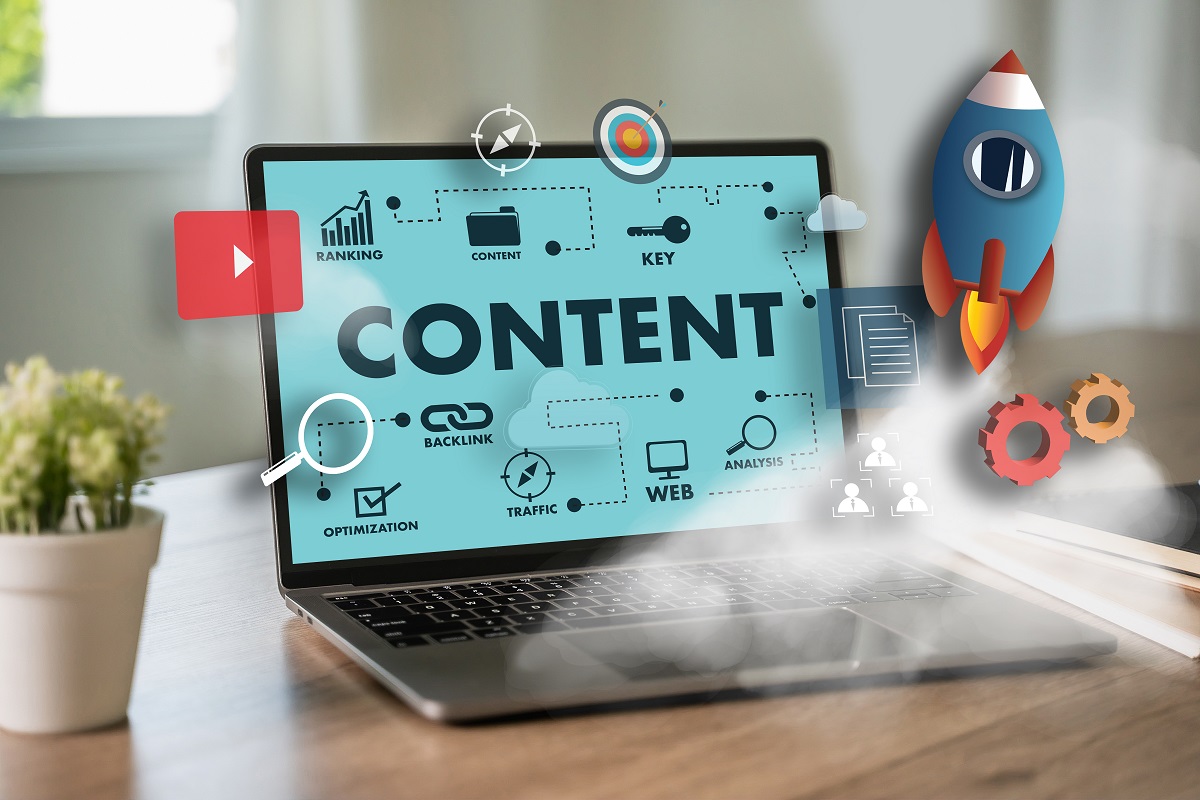
The ultimate difference between amazing content and terrible content is performing. High quality, high-performance content is what every brand wants. A blog carries with it the potential to amplify your brand’s awareness in the marketplace and establish you as a thought leader. Brands experiencing trouble monitoring their efforts in content marketing can be referred to 5 apps. Although you may not find all of these to be particularly valuable, these are a great place to start in finding the right combination of oversight tools.
ContentCal
ContentCal is a calendar that makes it easy to market content across multiple digital channels. When promotion and/or publishing is challenging and you’ve got multiple platforms to manage, you can streamline everything through ContentCal. All data and social media efforts can be organized here including ideas, campaign information, planning out visual campaigns, and forecasting future efforts.

Influencer marketing campaigns are all the rage in digital marketing right now. Even so, sometimes, brands don’t get the return they hope for. So what differentiates the brands who succeed with influencers compared to those who don’t – well, the answer’s what determines whether influencer marketing is a waste of time for your website or not.
Influencer marketing is in itself a clever invention. In the past two decades, something horrifying happened in the marketing and advertising industry. It was found, as consumers become desensitized to ads online and in-person, they would ignore them and/or wouldn’t trust these advertisements. As companies looking to advertise, what is there to do if most marketing isn’t going to work – well, enter in influencers. Although some people don’t trust online ads, what they do trust are recommendations from friends, family, and faces they know. All in the name of reaching an audience, the market opened up for social media influencers to sell posts to brands looking to connect to their audience. This proved to generate some absolutely massive returns for a lot of brands!

Competitive advantages are hard to find and achieve, in digital marketing circles. Connecting with customers is an investment that takes time. Riding the latest digital marketing trends is an opportunity to create momentum you can sustain long-term if you know how to work it right. Whatever you do this year, don’t ignore any of 2019’s biggest digital marketing trends.
Geo-marketing grows.
Geo-marketing is to target digital marketing efforts by location. This allows companies to create awareness in a specific area without wasting money on customers elsewhere. Digital advertisements specific to mobile users seem to work most effectively in location-based marketing. In 2019, we expect to find it get even more detailed. For example, some business owners are now setting up a geo-mapping target advertisement for a quarter-mile around a competitor’s location. Any time a customer’s in the vicinity, they receive an ad for your business. Approaches like this may be seen as a low-blow but they produce high engagement numbers.

Blogs, articles, and content you’ve developed covered by a newspaper, magazine, blog, or influencer is a big get. Whether it’s as a part of a feature story, a quick mention, or something more extensive, this can potentially expose you to a big audience. The problem, of course, is it’s incredibly difficult to get picked up by the media. Distributing a press release, few publications may notice. Launching a press event, as an unknown brand, you’re unlikely to attract enough attention to generate any significant interest.
Despite the trouble, if you understand how journalists and influencers think and what they’re looking for, you can help naturally market your content to these people. For example, journalists routinely find stories online to write about or highlight. Depending on the category of the writer, technology writers go to a select number of sites to find stories, business bloggers will focus on certain hashtags and certain sites, and it goes on and on like that. Chances are if you can get one journalist’s attention, you can probably get more – potentially hundreds. So seek out the communities where journalists are picking up stories and submit to these communities your content.
Competing against established, strong websites with large financial backings and already with seemingly infinite momentum from Google is tough. Nevertheless, low-cost video marketing campaigns through YouTube can help generate enough brand awareness to put you in the game.
YouTube’s the second largest search engine in the world, with billions of searches monthly. No matter what service or product you’re selling, there are plenty of possible YouTube videos you can create – how-to videos, customer testimonials, explainers, behind-the-scenes looks, and more. If we haven’t sealed the deal yet, let’s share one more thing. Contemporary consumers are watching more video than they are reading blogs.
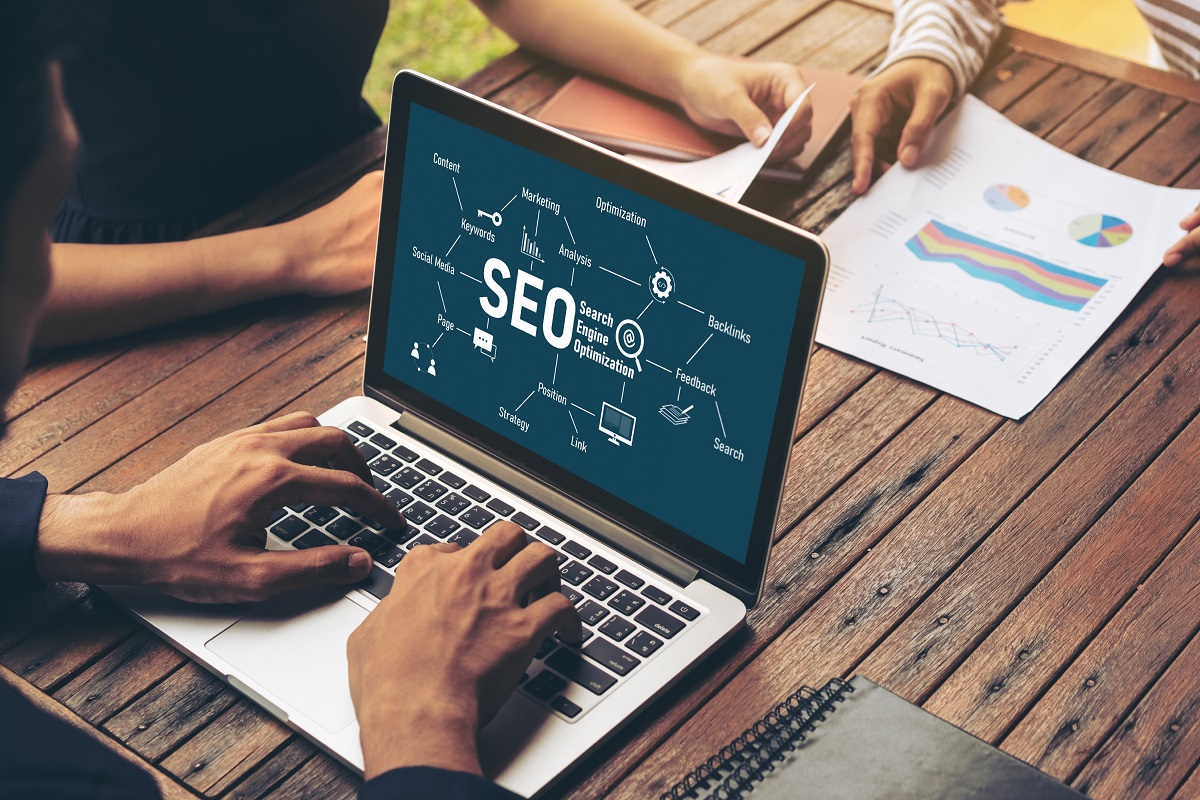
To small businesses, organic traffic is highly valuable and key to sustaining a website’s growth. Investing in the right SEO tools in 2019 can help support your organic search engine marketing strategies. These are some of the best SEO tools to use for things like keyword research, search engine traffic analysis, competition analysis, and link building.
Moz Link Explorer
Moz Link Explorer serves to identify issues that exist in your website’s structure. For example, Link Explorer can see whether all your links are being indexed by Google, how backlinks could be impacting your domain score, and what your competition’s link structure is like. When it comes to SEO link building, this tool is almost essential!

Others’ social media campaigns are where you can learn a lot about how certain marketing strategies work and how they can be adapted to your brand. The power of social media is undisputable. After all, 78 percent of businesses have a dedicated team working their social media. If you haven’t figured out how to maximize your campaign and achieve your social media goals, here are five successful social media campaigns to pull inspiration from.
Red Bull
Using Instagram, Red Bell sought to increase brand awareness and extend the brand to new audience segments. They specifically targeted the selling of their ‘Summer Edition’ energy drink through Instagram color-coded filters portraying lifestyle events in the summer. They then connected this filter with the product. Red Bull routinely jumped on several summer-related hashtags as well. The result – 1.2 million consumers reached. When you leverage the massive audience on a platform like Instagram, the results are real.

Objectives can come in the many when planning a content marketing strategy. Getting leads, attracting customers, earning attention from local and international media, and enhancing a brand’s awareness are all frequent goals of content. Link building also falls into this collection.
Successfully and consistently publishing content that newsworthy, informational, instructional, unique, and remarkably different are huge reasons why page gets links. Why links continue to be sought after is because of the positive benefits they show on SEO and the authority they give to websites. Beyond the advice of ‘Write content you know other people will want to link to.’, here are 4 ways to develop blogs, articles, and web pages to get you clicks and links from other sources.

If you’re trying to build a relationship of trust and reliability with your clientele or audience, YouTube’s proven to be the most intimate social media experience there is.
Particularly for millennials who love consuming video and who value a brand’s background, YouTube video marketing might be just what you need to connect with your clientele on an emotional level.
Just think about your own emotional experiences with marketing. Are you more likely to react emotionally to a blog or an image/video – most will say video. Video can communicate a lot which writing cannot necessarily. When you see a person’s eyes and see them as they speak, a different connection is fostered than if you were simply reading their words.
There’s also a reason why some of the world’s biggest brands, from McDonald’s to Apple, advertise on YouTube with emotional stories about their customers rather than true-blue advertisements. Corporate brands like these and others want the viewer to see themselves in marketing and this is far more important than selling a promotion. That’s why they communicate stories in their video marketing surrounding identities like a young person, a parent, someone in need, a sibling, someone’s child, a family member, or someone successful.

Using Twitter for eCommerce and selling product involves knowing what relevant messaging to release when, being able to prospect effectively, and knowing how to capitalize on every element of your social media marketing campaign to get that sale!
Although sites like Facebook, Instagram, YouTube, Snapchat, LinkedIn, and others are equally important social media tools, we find when it comes to eCommerce, Twitter is a special place. According to a recent survey, more than 74 percent of Twitter users follow businesses specifically in order to receive updates and marketing messaging. Twitter’s one social media site where advertising and promotion is more acceptable than it is elsewhere.
Anyone interested in optimize their selling approach on Twitter or across other social media platforms can do so with some of the tips offered in this quick guide on eCommerce marketing and social media use.

Marketers have a lot to learn from millennials. The rise and growing presence of millennials as buyers have meant more attention paid to them than ever. Arrogant to some and justified to others, this is a generation that demands customization and personalization.
When it comes to communicating with millennials and marketing towards the population, there’s no one-size-fits-all. For a brand to succeed, a lot of investment needs to be made in learning about the audience and in developing the infrastructure that allows for personalized marketing messages to be sent.

Just because a business has a website does not guarantee them any amount of success online. What’s never spoken about is that most websites fail. The vast majority of them, in fact, do not gain enough audience, clicks, and money to sustain themselves. Within six months, a website is highly likely to fail. For the sites which succeed, eventually, they may run into difficulties at maintaining their audience or they may see their analytics begin to go down. This is somewhat normal.
If you believe your website is dying, you may be asking yourself whether there’s a cure – in some cases, there is. The thing to start with is to take a look at your vital signs and see where the problem’s at. At your fingertips, you have likely dozens of analytics to comb through. Sometimes, the landscape is so competitive that the audience will be stretched thin across multiple websites. Other times, you may have a competitor so good at capturing the audience that they’re taking yours. At other times, you may simply be losing customers somewhere along the sales funnel. Depending on which of the three it is, there’s a different way to fight it.

Artificial intelligence’s impact on a global scale is definitely being felt in the world of digital marketing far and wide. Already, AI’s transformed numerous industries. Employees at transportation companies can more accurately predict arrival times now. Food manufacturing companies can more easily monitor production, down to the detail of being able to identify contamination or toxins in food. AI is helping scientists learn how to better treat diseases like cancer. Farmers are even using it to improve and increase yields, all the while utilizing less resources.
According to a 2017 report, AI contributes more than $15.7 trillion to the global economy every year and that number’s only expected to rise. A lot of this development and financial reward is coming from the national economy of the US, the UK, Germany, France, Mexico, Poland, South Africa, and Thailand, among others. Approximately 27-30 percent of companies in these and other parts of the world have already implemented AI into key processes, with more having launched AI pilot projects. Digging deeper into how AI is changing the way business is done industry-by-industry, we want to highlight a few categories of business where the most gains are being made.

Social media posts that become viral have a keen understanding of the motivations behind why people share information online. These posts are adept at eliciting clicks and engagement from users.
The four types of content accounts most likely to share on social media include funny posts, posts that appeal to a person’s selfish side and make someone look smart by sharing infographics or lists, and content from a trusted source to the user.
When you ask people why they share what they share, the top 5 reasons you’ll encounter are highlighting valuable or entertaining to others, defining themselves to others under an identity, growing and nourishing relationships with other social media relationships for self-fulfillment and getting the word out on a cause they care about.
If you’re aiming for your video to go viral, we don’t mean to be the bearer of bad news; however, it’s unlikely to happen. The average social media post receives only 8 shares. Even on sites like Buzzfeed, it’s rare for a post to go viral. So assuming you’re not a massively popular celebrity and you don’t already have a built-in audience of millions, here are the 7 strategies you can use to make your video marketing go viral.
1 – Be successful.
People love to consume content from people who are beautiful, knowledgeable, successful, attractive, or have authority of some kind. Before the user even clicks, you need to give them a reason to feel like they want to hear from you. The more ‘rich’ your videos can appear – whether you’re funny, emotional, educating, or something else – the more clicks you’ll receive.
2 – Do your research.
Helping people understand difficult-to-talk-about subjects is an effective video marketing strategy. Evidence shows viral numbers common on videos communicating wisdom on things. Some forms of research and knowledge to consider on your next viral video are the secrets to, a warning about something, or a post discussing current trends.
3 – Help people be successful.
People want to be successful in their identity and what they do. Any time you use the word ‘success’, studies show viewers are more likely to click. The best advice we can give – other than repeating the word ‘success’ over and over again which reduces its effectiveness as a keyword – is to focus on how your products or services can be used to enable people to have success.
4 – Be surprising.
Share something unexpected. Be shocking. If you can give people a reason to click because they’re surprised or shocked about what’s going to transpire, that’s usually more than enough reason to get people clicking.
5 – A quiz.
Use your video to give viewers a quiz on something. Be informative or funny. Consider any possibility of creating quizzes based off of past videos or having a contest surrounding a list. Consider how you can use a product or feature to create an outcome-based questionnaire. Although these are more common when written, they can apply to video as well.
6 – Be funny.
People love humour and entertainment. It’s the one thing that’s consistently driven clicks. It doesn’t matter if you’re the New York Times or a gossip magazine, consumers are more likely to want funny. Consider a little humour when creating your video, but not so much that it communicates you don’t take yourself seriously.
7 – Lists.
Lists are still some of the best-shared content on the Internet. What we recommend is working on your video’s headline to highlight the list component. People like to share informational, helpful, or exciting videos – remember this. The more amusing or awe-inspiring your video’s list is, the more likely it will be shared, so be entertaining.
Here are some extra sources that can offer valuable perspectives on how to enhance your brand's presence through the effective utilization of Social Media Marketing:
- What is behavioural marketing?
- The Power of YouTube for Restaurant Marketing
- The Best Ways to Drive Traffic to Your Website for Free
- Understanding the Crucial Role of Local SEO for Restaurants
In conclusion, the surge in small businesses leveraging video marketing is a testament to its effectiveness in connecting with consumers. Videos provide a dynamic and versatile platform for storytelling, product showcasing, and brand building. As the digital landscape continues to evolve, embracing video marketing emerges as a trend and a strategic necessity for small businesses aiming to stand out, connect with their audience, and thrive in the competitive online arena. So, for small companies eyeing growth and meaningful engagement, the camera is not just a tool; it's a gateway to a vibrant world of consumer connection and brand success.
Why Select Unlimited Online Exposure for Video Marketing in Toronto?
Unlimited Online Exposure, a renowned Social Media Marketing company based in Toronto, has built a strong reputation in the industry for more than 27 years. They are widely recognized as trailblazers and have an impressive track record of successfully developing over 1400 websites.
In the city of Toronto, we offer a wide range of services, including web design, video marketing, influencer marketing for restaurants, inbound marketing, local SEO, and social media marketing. Our primary goal is to enhance your brand's visibility and drive online business growth. For further information, feel free to contact us at 416-477-0594 or visit our website.
